Blocking this antidiuretic hormone causes fluids to pass directly through the kidneys to our bladder, which is why we have to pee way more while drinking alcohol. This effect is why alcohol is often thought of as a diuretic. According to a small study in 11 men, consuming beer with a 5% alcohol content after exercise increased urine output significantly more than consuming a sports drink did (10). When you’re trying to figure out how alcohol dehydrates you, it’s crucial to understand that not all drinks are created equal.

2.1. Differences between the Alcoholic Beverages and Their Non-Alcoholic Counterparts
In Shakespeare’s play, Macbeth, the porter says that alcohol promotes “nose�painting, sleep and urine”. Our bodies are amazing organisms, especially when it comes to processing alcohol. Dr Karl explains why, if you’re drinking booze, what goes in is not equal to what comes out. A meal or snack can help restore some of the nutrients lost from dehydration while soaking up any alcohol still in your digestive tract.
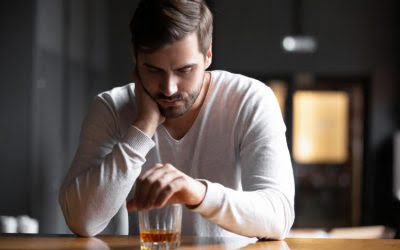
Dehydration From Alcohol: 5 Tips to Prevent and Treat It
Despite common belief, the link between alcohol and dehydration isn’t always straightforward. Some research even suggests that moderate alcohol consumption might not cause significant dehydration in healthy individuals. One study indicates that even with a hangover, people aren’t necessarily clinically dehydrated. It’s important to remember that many factors influence how your body processes alcohol and maintains hydration, including your overall health, individual metabolism, and drinking habits.
How many glasses of wine can I have while on a keto diet?
So, how do you know if you’re getting dehydrated before it’s too late? Keep an eye on the color of your urine, and does alcohol make you dehydrated don’t ignore that feeling of thirst. If you’re drinking alcohol, make a conscious effort to drink water in between alcoholic beverages. It’s also a good idea to eat hydrating foods, like fruits and vegetables. If you start feeling dizzy or lightheaded, that’s a sign you need to slow down and rehydrate. ADH, or antidiuretic hormone, is the unsung hero of fluid balance.
Your Body’s Hidden Water Management System

All of these are common symptoms of dehydration, which is why many people believe that wine dehydrates you after you drink it. When alcohol’s diuretic effect kicks into high gear, you don’t just lose water; you flush out these critical minerals right along with it. It’s the reason you can chug water all morning and still feel terrible—you’re replacing the liquid but not the essential minerals your body needs to actually function. This imbalance is a primary culprit behind classic hangover symptoms like headaches, fatigue, and muscle weakness. Losing water is only one part of the story when you’re figuring out how alcohol dehydrates you.
- This hormone helps the body reabsorb water and reduces urine output.
- Alcohol is primarily metabolized in the liver, which generates toxic byproducts.
- Alcohol dehydrates us through its diuretic effect and contributes to fluid loss through sweating or vomiting.
As the image highlights, symptoms like fatigue, headaches, and https://ecosoberhouse.com/ muscle spasms are directly tied to electrolyte disturbances—all familiar complaints after a night of drinking. To learn more about which minerals can help you bounce back, check out our guide on the top electrolytes for a hangover. Remember, restoring these minerals is just as important as rehydrating with water.
The research on alcohol and dehydration
Drinking too much alcohol too quickly means your body won’t be able to process it fast enough. As a rule, it takes one hour for your body to process one alcoholic drink, so making your drink last longer, and therefore drinking less and more slowly will help keep you hydrated. While some people may be more resilient to alcohol’s impact on fat-burning, others may be kicked out of ketosis after drinking one alcoholic beverage.
- Arginine vasopressin and aldosterone are regulated by the body’s salt and water balance.
- Challenging the validity of the BAC test, especially if dehydration was a factor, might be an option.
- As a rule, it takes one hour for your body to process one alcoholic drink, so making your drink last longer, and therefore drinking less and more slowly will help keep you hydrated.
- Besides dehydration, alcohol can have other negative effects on the body.
- Drinks with a higher alcohol content — and therefore more potential to dry you out — include vodka, gin, rum, and whisky.
The process is called diuresis, which on its own causes dehydration 1. But that doesn’t mean you shouldn’t enjoy an adult beverage or two from time to time. Here’s what you need to know about how alcohol dehydrates the body and how to drink responsibly.
How to prevent alcohol dehydration:
- Dehydration occurs when the body loses more fluid than it takes in, leading to an imbalance in the body’s electrolyte levels.
- When we drink alcohol, it gets absorbed into our bloodstream through our stomach but mostly through our small intestines.
- This leads to increased urine production and can result in dehydration.
- Although it’s unknown whether alcohol dehydrates muscle, it still has an effect.
Social drinking is just part of the holiday package — and homemade cocktails, wine, and champagne all deserve a spot in your celebrations. Long-term dehydration can harm your kidneys, affect your skin, and lead to an imbalance of important minerals in your body. Yes, when you’re dehydrated, your body may take longer to break down alcohol, which can lead to higher blood alcohol levels. It’s easy to miss the early signs of dehydration, especially when you’re out having a good time. But knowing what to look for can help you take action before things get worse.
Alcohol’s diuretic effect excessive urination causes you to lose not just water, but also electrolytes like sodium, potassium, and magnesium. This imbalance can lead to a whole host of problems, including muscle cramps, weakness, and even heart problems in severe cases. It’s like your body’s internal wiring is getting crossed, and things start to malfunction. Alcohol can really mess with your hydration levels, and it’s not just about feeling what is Oxford House thirsty. It’s a whole process that affects how your body works, especially when it comes to your kidneys and how alcohol gets broken down.